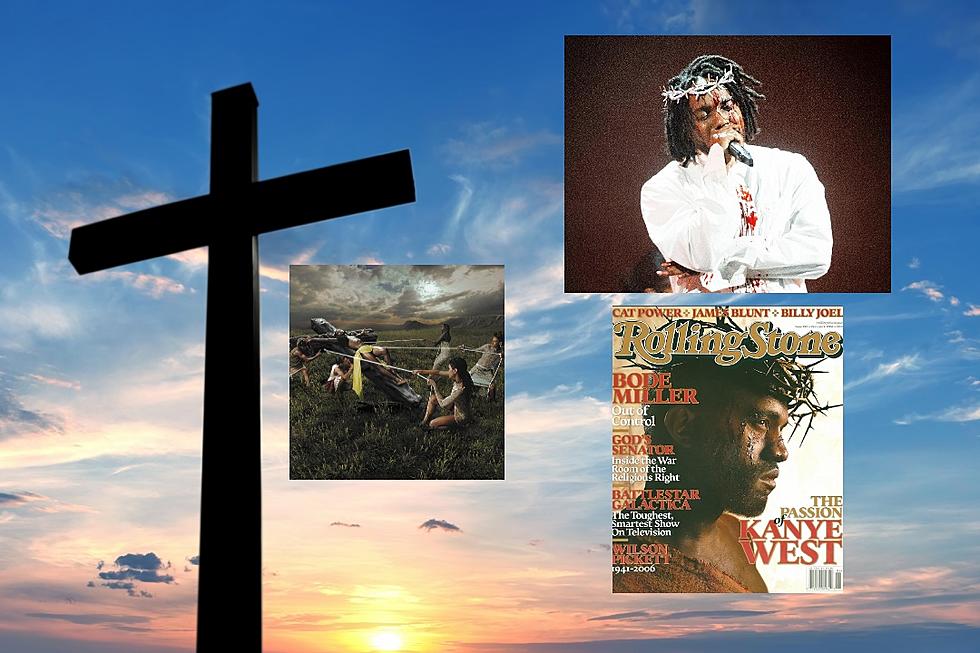
12 Rappers Who Portrayed Jesus Christ: Hip-Hop’s Most Controversial Religious Moments
Religious symbolism has always played a significant role in hip-hop culture. From lyrics referencing biblical stories to album covers inspired by Christian artwork, many rappers have incorporated themes surrounding faith, sacrifice, redemption and resurrection into their music. While some artists have used Jesus Christ imagery to express personal struggles or spiritual transformation, others have sparked controversy by directly portraying themselves as the Son of God through music videos, performances, album covers and promotional campaigns.
Over the years, these portrayals have generated widespread debate among fans, religious communities and music critics alike. Some view them as powerful artistic statements exploring the relationship between faith and fame, while others believe they cross the line by using sacred Christian symbols for entertainment or publicity.
One of the latest examples came when Lil Nas X announced his single J Christ, reigniting conversations about religion in hip-hop. However, long before Lil Nas X, artists including Kendrick Lamar, Tupac Shakur, Kanye West, Nas, Stormzy, Remy Ma and several others had already incorporated Christ-like imagery into their creative work for different reasons.
Some intended to symbolize sacrifice. Others highlighted persecution, redemption or rebirth. In several cases, the imagery became one of the defining moments of an artist’s career, generating headlines that extended far beyond the music itself.
📖 Article Highlights
Topic: Rappers Who Portrayed Jesus Christ
Total Artists Featured: 12
Themes Covered: Christian symbolism, album artwork, music videos, performances, religious controversy and hip-hop culture.
Featured Artists: Lil Nas X, Tupac Shakur, Kendrick Lamar, Kanye West, Nas, Ma$e, Ja Rule, Ab-Soul, Remy Ma, Stormzy, Dax and Blac Youngsta.
Purpose: Exploring how religious imagery has influenced hip-hop culture through some of rap’s most memorable artistic statements.
12 Rappers Who Portrayed Jesus Christ
Below are twelve rappers who have portrayed Jesus Christ or borrowed Christian imagery in album artwork, music videos, stage performances or promotional campaigns. While every example carries a different meaning, each one contributed to ongoing conversations about religion, artistic freedom and symbolism within hip-hop culture.
Lil Nas X

Tupac Shakur
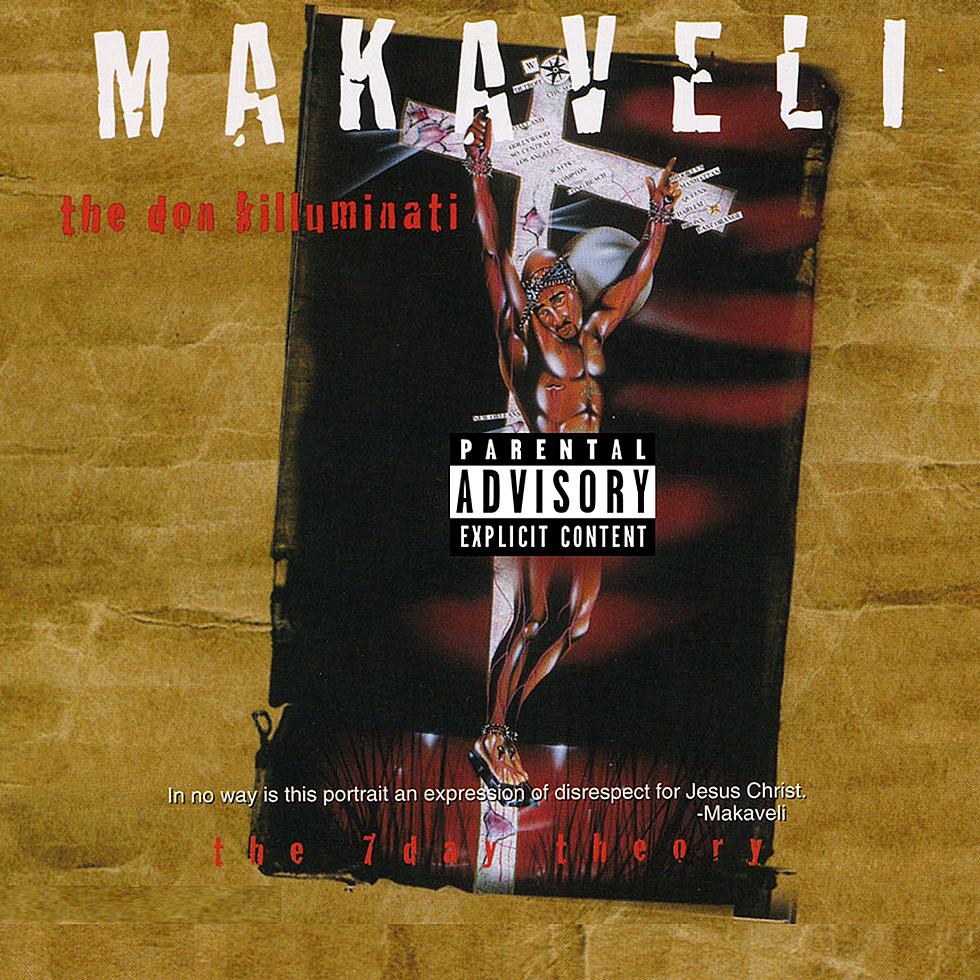
Long before modern artists embraced biblical symbolism, Tupac Shakur created one of hip-hop’s most iconic religious images with the cover of his posthumous 1996 album The Don Killuminati: The 7 Day Theory.
Released under his Makaveli persona, the artwork portrays Tupac hanging on a cross in a clear visual reference to Jesus Christ’s crucifixion. The image quickly became one of the most recognisable album covers in rap history and has inspired countless discussions about religion, sacrifice and persecution within hip-hop.
Importantly, Tupac made it clear that the artwork was never intended to mock Christianity. Printed directly on the album cover was a message that stated:
“In no way is this portrait an expression of disrespect for Jesus Christ.”
Instead, the imagery symbolised the way Tupac believed he had been unfairly judged, criticised and sacrificed by society and the music industry. More than two decades later, The Don Killuminati: The 7 Day Theory remains one of the most influential examples of religious symbolism ever used in hip-hop.
Kendrick Lamar
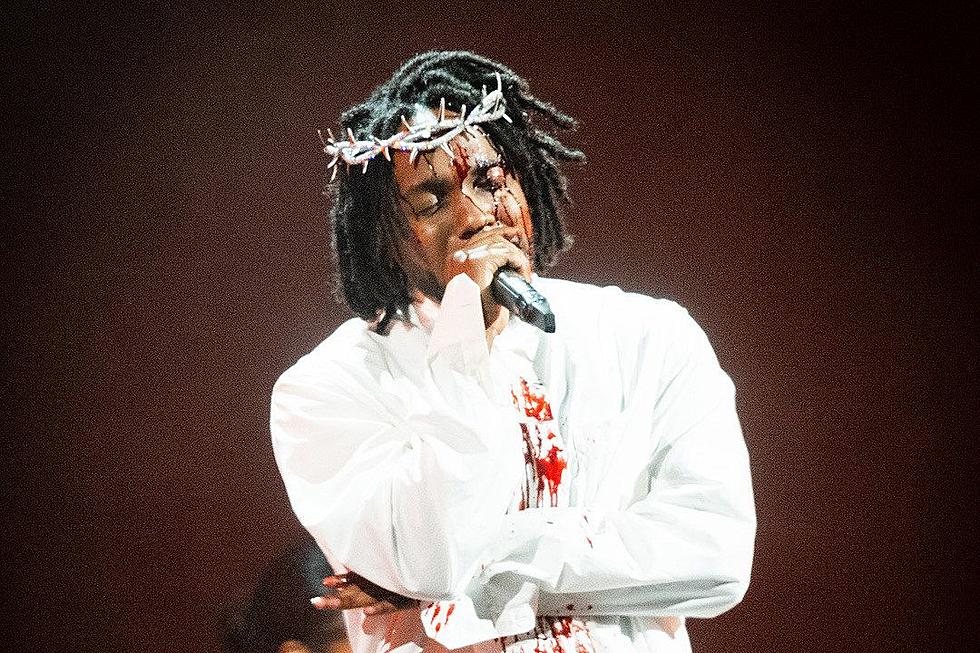
Unlike many artists who have directly portrayed Jesus Christ, Kendrick Lamar has built his career around biblical symbolism and spiritual storytelling. Religion, redemption, sin and forgiveness have remained recurring themes throughout his catalogue, making Christian imagery a natural extension of his artistic identity.
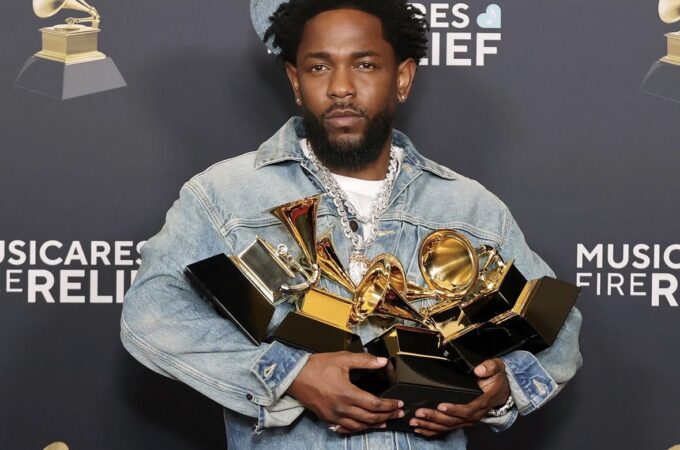
The symbolism reached another level following the release of his critically acclaimed fifth studio album Mr. Morale & The Big Steppers. During live performances, award shows and public appearances, Kendrick repeatedly wore a custom-made diamond-encrusted crown of thorns reportedly valued at around $3 million. The striking piece instantly became one of the defining images of the album era.
Rather than claiming to be Jesus Christ, Kendrick used the crown as a visual representation of sacrifice, leadership and the emotional burdens carried by both celebrities and ordinary people. Many fans interpreted the diamonds covering the crown as a metaphor for the way wealth, fame and success often hide personal pain and internal struggles.
His religious references didn’t stop there. Throughout Mr. Morale & The Big Steppers, Kendrick explored themes of generational trauma, healing, confession and accountability—subjects that many listeners connected with biblical teachings. Some fans even suggested that the album title itself subtly references Jesus Christ and His disciples, further fuelling discussion about Kendrick’s use of Christian symbolism.
Whether intentional or open to interpretation, Kendrick Lamar’s artistic approach demonstrates how religious imagery can be used thoughtfully to deepen storytelling rather than simply generate controversy.
Kanye West
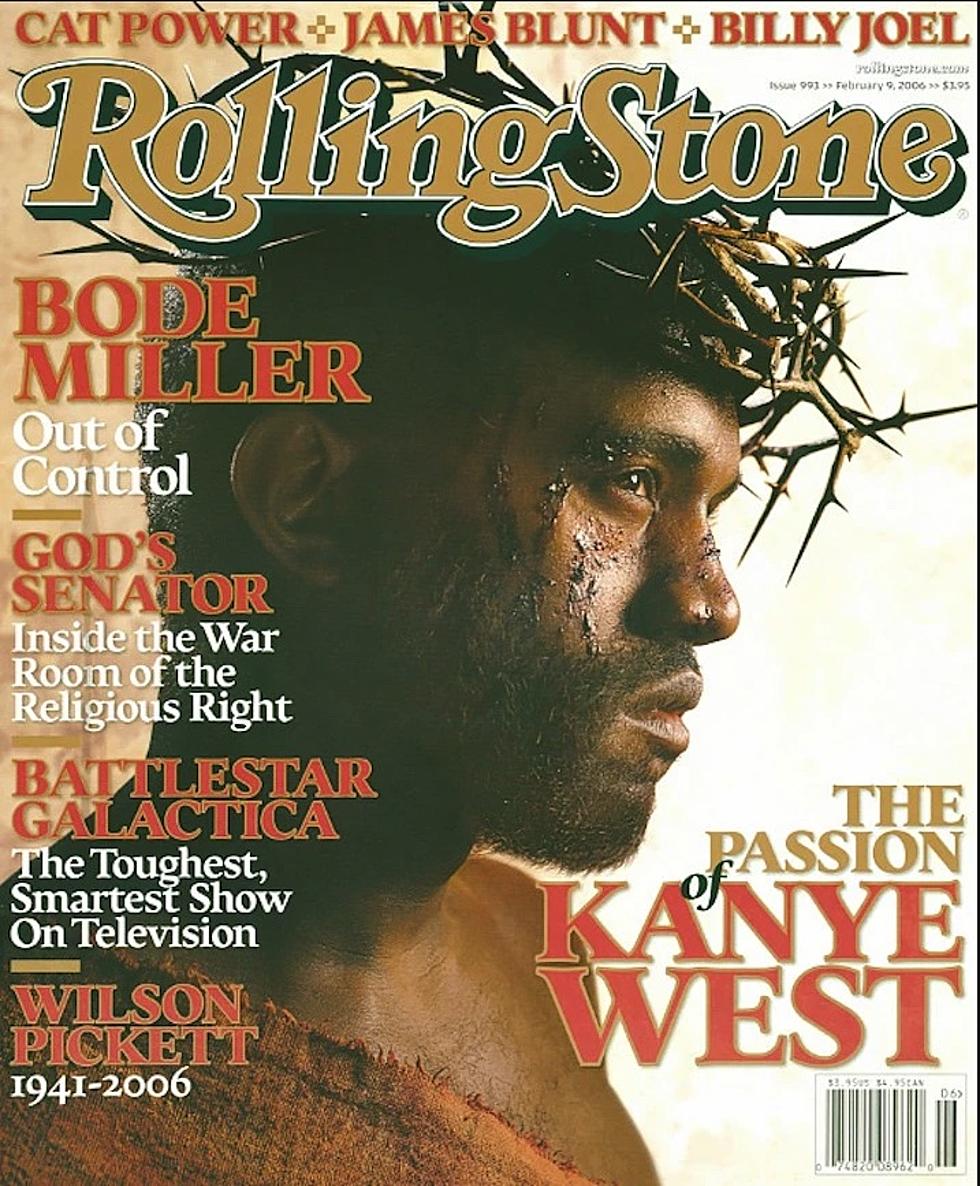
Few rappers have embraced Christian imagery as consistently as Kanye West. Throughout his career, faith has remained one of the defining elements of his music, beginning with classics like Jesus Walks from his debut album The College Dropout.
However, one of Kanye’s most memorable religious portrayals arrived in 2006 when he appeared on the cover of Rolling Stone magazine dressed as a bloodied Jesus Christ complete with a crown of thorns. The cover immediately became one of the most controversial magazine covers in hip-hop history, drawing criticism from some religious groups while others praised it as artistic expression.
The accompanying feature explored Kanye’s outspoken personality, his views on race, politics and celebrity, including his famous criticism of former U.S. President George W. Bush following Hurricane Katrina. The imagery reinforced Kanye’s belief that artists often become misunderstood public figures who are judged before being fully understood.
Years later, Kanye continued blurring the lines between faith and self-expression. During an appearance on Jimmy Kimmel Live!, he openly compared himself to Jesus Christ while discussing creativity, influence and public criticism. His music would later include songs such as I Am a God, further demonstrating how spiritual themes remained central to his artistic identity.
Whether viewed as confidence, performance art or genuine religious conviction, Kanye West’s relationship with Christianity has made him one of hip-hop’s most discussed figures whenever conversations about faith and rap intersect.
Nas
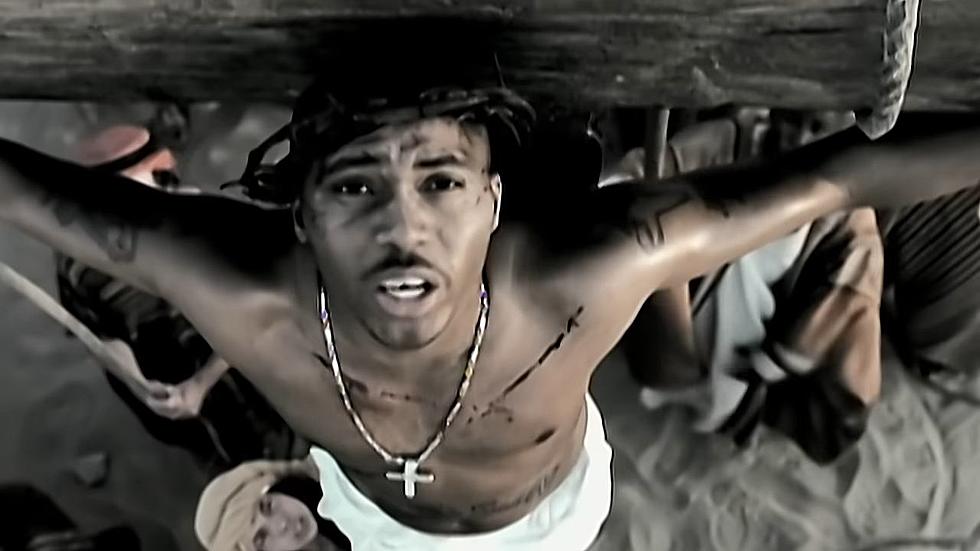
Few music videos in hip-hop history generated as much controversy as Nas’ visual for “Hate Me Now.” Released in 1999, the song became one of the defining moments of his career—not only because of its powerful message but also because of the religious imagery used throughout the video.
In the visual, Nas portrays Jesus Christ during the crucifixion, symbolising how he felt persecuted, criticised and judged despite his success. The imagery was never intended to compare himself directly to Christ but instead represented the burden of constantly being condemned while trying to inspire others through his music.
The video also featured Diddy, who reportedly requested that scenes showing him participating in the crucifixion sequence be removed before the video aired on television. However, those scenes remained in the final version, leading to one of the biggest behind-the-scenes controversies in hip-hop history.
Following the video’s premiere on MTV’s TRL, reports claimed Diddy confronted Nas’ manager, Steve Stoute, over the incident. The disagreement eventually resulted in a lawsuit that was later settled out of court, making the video almost as famous for its aftermath as its artistic direction.
Years later, Nas explained that the symbolism was inspired by his own experiences with criticism and racial injustice. Speaking with Rolling Stone, he revealed that he also wanted to challenge the criticism surrounding portrayals of a Black Jesus, using the visual to spark conversations that extended beyond music.
Today, “Hate Me Now” remains one of the most influential music videos ever released in hip-hop and one of the strongest examples of religious symbolism used to communicate perseverance, sacrifice and resilience.
Ma$e
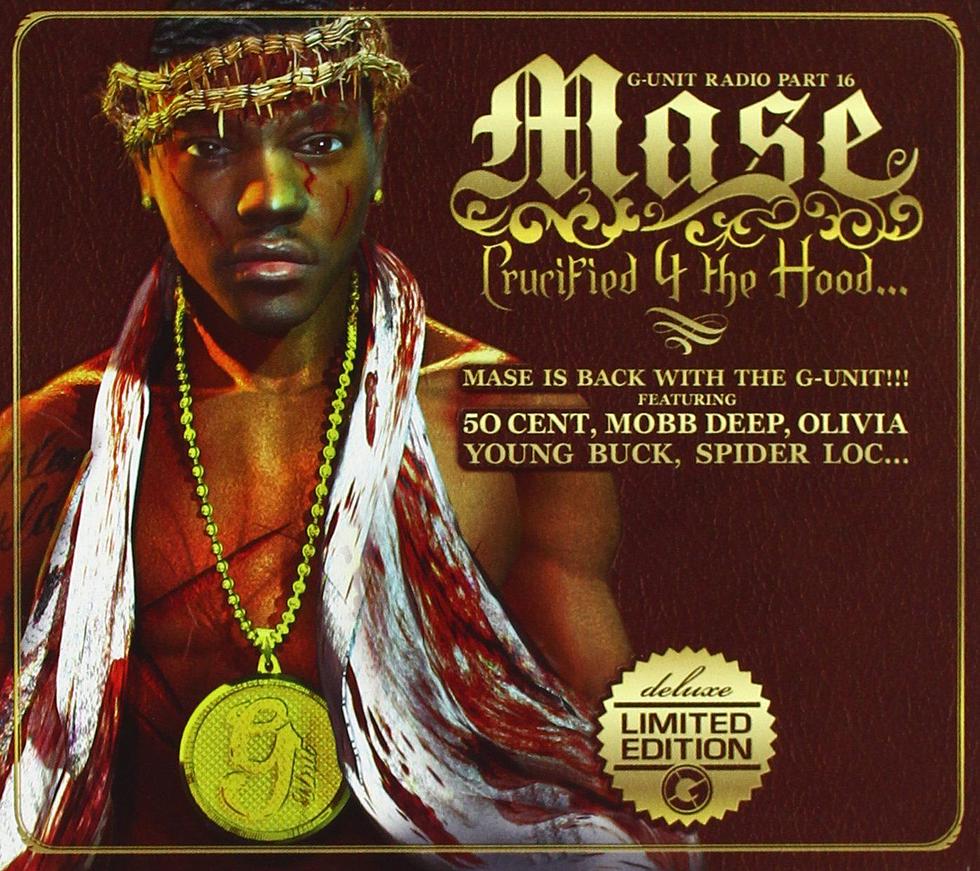
Ma$e has one of the most unique relationships with Christianity in hip-hop. After dominating the rap scene during the late 1990s, the Harlem rapper shocked fans by stepping away from music to become an ordained minister, leading churches in both Atlanta and Phoenix.
When Ma$e eventually returned to rap, he embraced both his religious background and his former “Murda Ma$e” persona. In 2006, he released the mixtape Crucified 4 the Hood: 10 Years of Hate, featuring artwork that depicts him hanging from a cross in a direct reference to Jesus Christ’s crucifixion.
The cover symbolised sacrifice, redemption and the criticism he believed he had endured throughout his career. Rather than mocking Christianity, the artwork reflected Ma$e’s personal journey—from rap superstardom to ministry and eventually back into the music industry.
Because of his real-life experience as a pastor, Ma$e’s use of Christian imagery carried a different level of significance compared to many other rappers. His portrayal blended his faith with his music career, creating one of hip-hop’s most memorable examples of religious symbolism.
Ja Rule
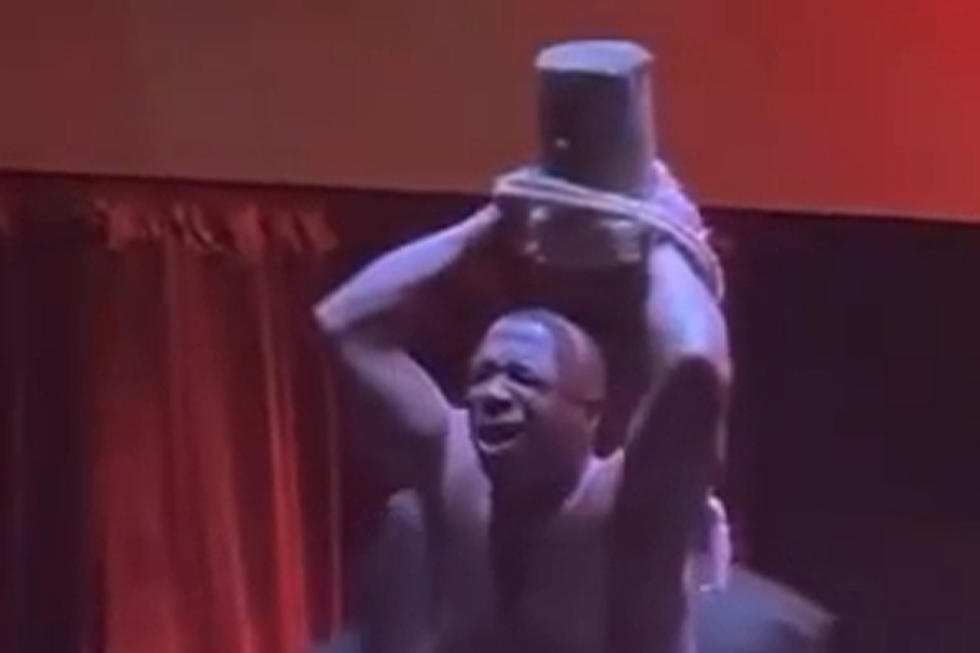
More than two decades into his career, Ja Rule once again found himself at the centre of controversy after incorporating biblical imagery into a live performance.
During the 2023 BMI R&B/Hip-Hop Awards, the New York rapper performed his spiritually inspired record “One of Us” while tied to a large wooden column at the centre of the stage. Shirtless and surrounded by dramatic lighting, the performance clearly referenced the suffering and crucifixion of Jesus Christ, instantly becoming one of the night’s most talked-about moments.
The theatrical presentation divided opinion online. While some fans praised Ja Rule for delivering a bold artistic performance that reflected the song’s spiritual message, others questioned whether the imagery was appropriate. As expected, longtime rival 50 Cent wasted little time mocking the performance across social media, adding another chapter to one of hip-hop’s longest-running feuds.
Ja Rule eventually responded to the criticism and to 50 Cent’s comments, proving once again that even decades after their original rivalry began, the two rappers continue to exchange public shots whenever the opportunity arises.
Regardless of the reactions, the performance demonstrated how religious symbolism continues to influence modern hip-hop stage productions, particularly when artists aim to communicate themes of suffering, redemption and perseverance.
Ab-Soul
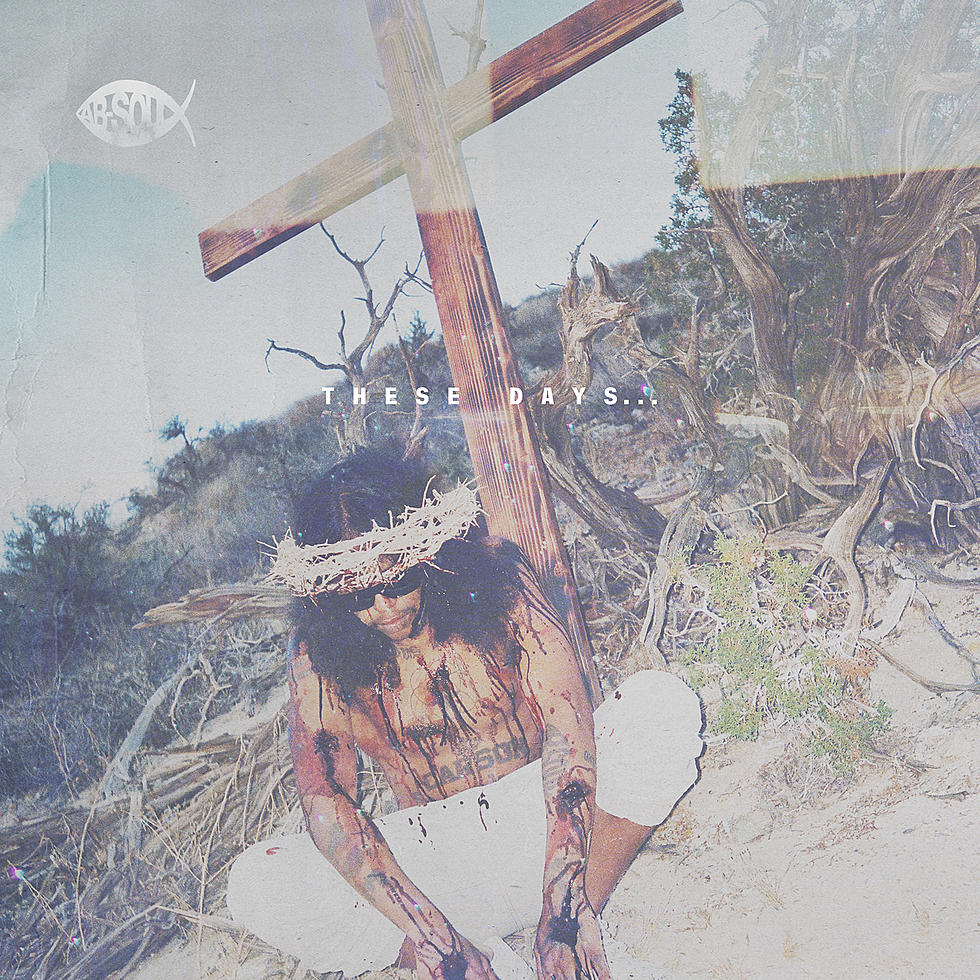
Ab-Soul has consistently explored spirituality, philosophy and religion throughout his career. As one of Top Dawg Entertainment’s most thought-provoking lyricists, his music frequently blends biblical references with social commentary and personal reflection.
His strongest visual reference to Jesus Christ arrived with the artwork for his third studio album These Days…, released in 2014. The cover depicts Ab-Soul in imagery closely resembling the crucifixion of Christ, reinforcing the album’s themes of sacrifice, responsibility and redemption.
Rather than portraying himself as a religious figure, Ab-Soul explained that the artwork symbolised the personal sacrifices he made while creating the project. According to interviews surrounding the album, he viewed These Days… as an attempt to rescue listeners from what he considered uninspired or superficial rap music by delivering something more meaningful and introspective.
Unlike several controversial portrayals on this list, Ab-Soul’s use of Christian symbolism received praise for its artistic depth and connection to the album’s overall message, further highlighting how religious imagery can be used to strengthen storytelling rather than simply provoke controversy.
Remy Ma
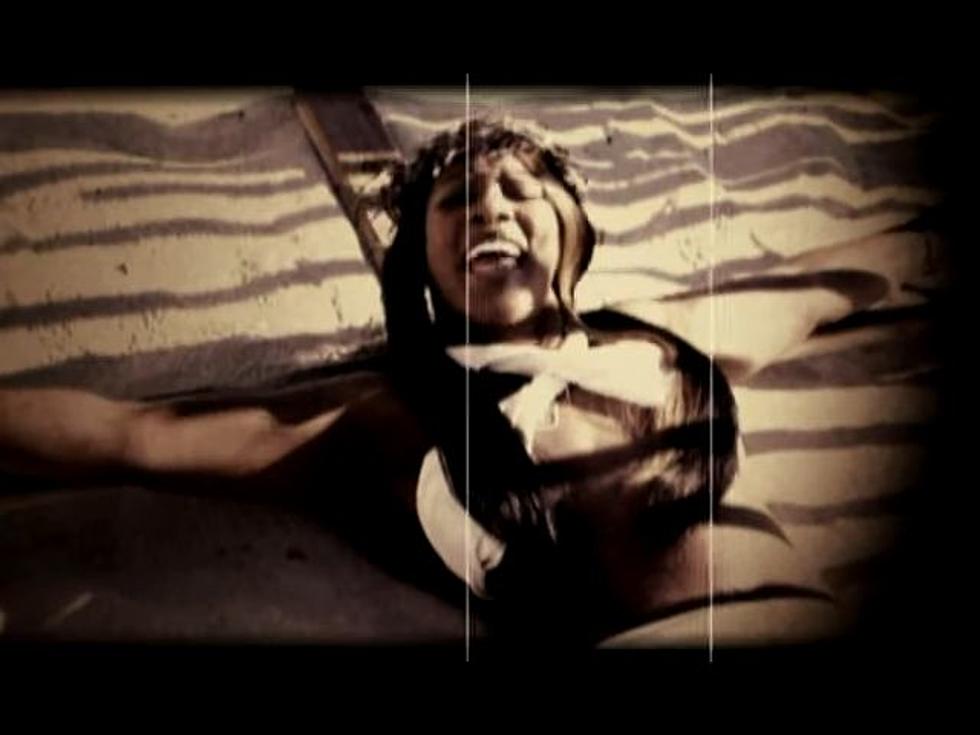
Remy Ma became one of the few female rappers to embrace Jesus Christ imagery when she released “Shesus Khryst”, the opening track from her 2007 mixtape of the same name.
The accompanying visual immediately attracted attention because it portrayed Remy wearing a crown of thorns while hanging from a cross in imagery inspired by the crucifixion of Jesus Christ. Throughout the video, the Bronx rapper referred to herself as the “BX Savior,” using biblical symbolism to reinforce her confidence following her return to the rap scene.
Although the visuals generated criticism from some religious viewers, others viewed the concept as a metaphor for perseverance, survival and proving doubters wrong. At the time, Remy Ma was establishing herself as one of New York’s leading female MCs, and the bold imagery reflected her determination to reclaim her place in hip-hop.
Even years later, Shesus Khryst remains one of the most talked-about examples of Christian symbolism used by a female rapper, illustrating how religious themes have influenced artists across different generations of hip-hop.
Stormzy
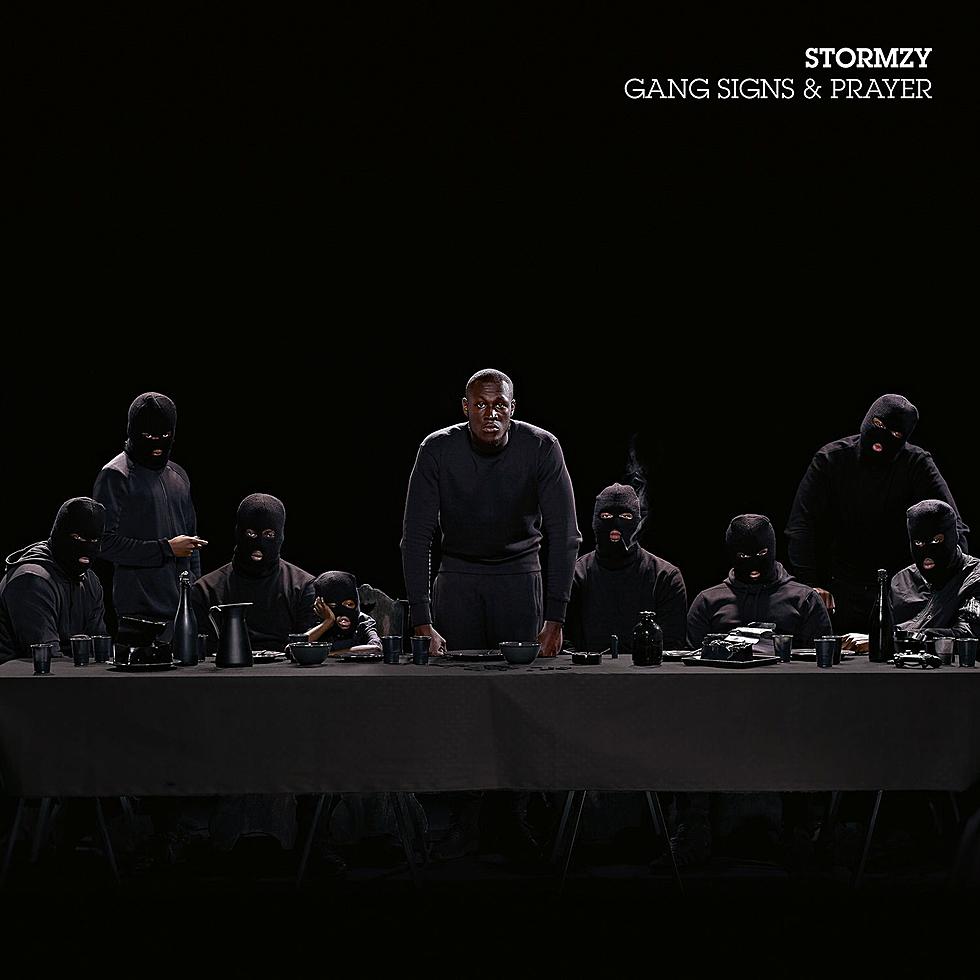
Unlike many artists who used crucifixion imagery, Stormzy paid tribute to one of Christianity’s most recognisable moments through the cover artwork of his debut album Gang Signs & Prayer.
The artwork presents a modern interpretation of The Last Supper, with Stormzy positioned at the centre of a long table surrounded by individuals dressed in black and wearing balaclavas. Rather than recreating Leonardo da Vinci’s famous painting, the image reimagines it through the lens of contemporary British street culture.
The visual was inspired by Stormzy’s Christian faith while also reflecting the album’s central themes of spirituality, forgiveness, violence and redemption. According to the project’s art director, the creative team intentionally avoided producing another cliché recreation of The Last Supper. Instead, they aimed to create a darker and more original interpretation that remained faithful to Stormzy’s artistic vision.
Gang Signs & Prayer went on to become one of the most successful UK rap albums of its era, proving that faith-based themes could coexist naturally with grime and contemporary hip-hop without sacrificing authenticity.
For many listeners, Stormzy’s use of Christian symbolism felt less controversial than others on this list because it reflected his openly discussed personal faith rather than serving purely as shock value.
Dax
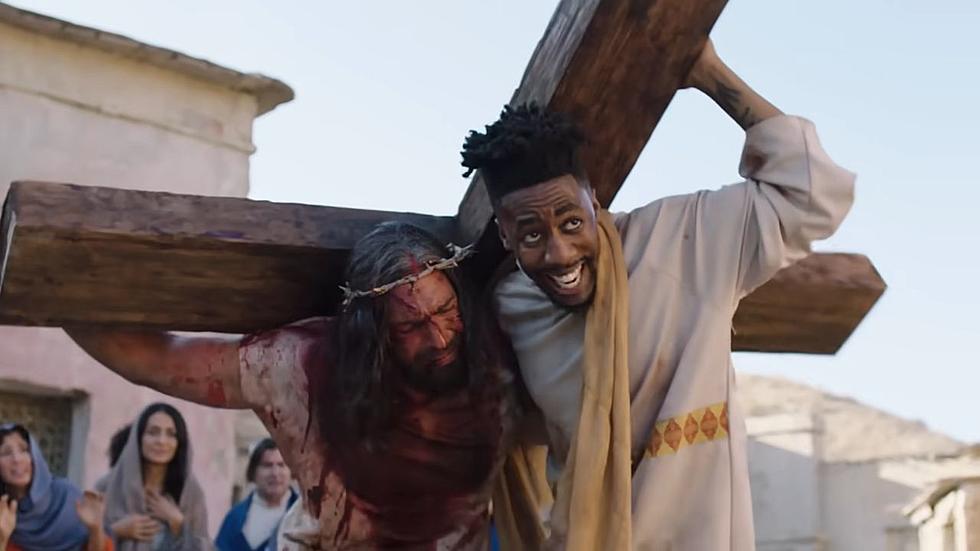
Unlike several artists on this list who portrayed themselves as Jesus Christ, Dax chose a different creative direction by focusing on Christ’s sacrifice rather than his own identity. In 2021, the Canadian-Nigerian rapper released the powerful visual for “Child of God”, a deeply personal record centred around faith, redemption and overcoming life’s darkest moments.
The music video depicts Dax witnessing Jesus Christ carrying the cross toward His crucifixion before attempting to help Him complete the journey. Throughout the visual, biblical scenes are blended with modern-day struggles, reinforcing the song’s central message that faith can guide people through pain, anxiety and personal battles.
Lyrically, “Child of God” stands apart from traditional rap records by functioning almost like a prayer. Dax openly thanks God for helping him overcome hardship while encouraging listeners to remain faithful regardless of their circumstances.
“Dear God, thank You for leading me down this path. I’m thankful for the man that I am.”
Rather than generating controversy through shock value, Child of God received praise from many listeners for presenting Christian beliefs respectfully while maintaining the emotional honesty that has become one of Dax’s trademarks.
Blac Youngsta
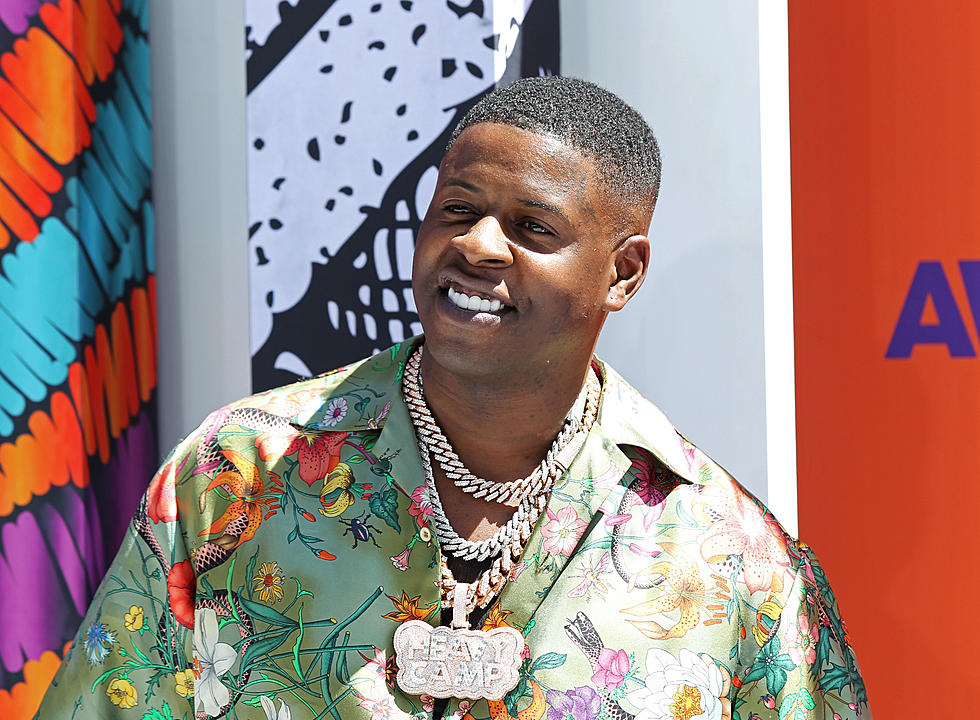
Blac Youngsta found himself at the centre of social media backlash in 2017 after sharing a photograph of himself hanging from a cross in an obvious recreation of the crucifixion of Jesus Christ.
According to the Memphis rapper, the image was intended as a tribute to Tupac Shakur’s iconic The Don Killuminati: The 7 Day Theory album cover rather than an attempt to mock Christianity. Nevertheless, many social media users interpreted the photograph as offensive, leading to widespread criticism from both fans and religious communities.
The controversy grew even larger when fellow rapper Ralo publicly offered Blac Youngsta $10,000 to remove the image from Instagram, arguing that certain religious symbols should not be used for publicity or entertainment.
Although the backlash eventually faded, the incident demonstrated how powerful Christian imagery remains within popular culture. Even decades after Tupac’s famous album cover, similar portrayals continue to spark passionate debate whenever artists revisit the symbolism.
Why Do Rappers Use Jesus Christ Imagery?
While every artist featured on this list approached the subject differently, the symbolism often revolves around similar themes. Some rappers use Jesus Christ imagery to represent sacrifice, persecution and redemption, while others employ it to express confidence, challenge public opinion or provoke conversation.
For artists like Kendrick Lamar, Stormzy and Dax, biblical references often reflect deeply personal faith and spiritual growth. Others, including Kanye West, Lil Nas X and Remy Ma, have used Christian symbolism to explore identity, fame and the relationship between religion and popular culture.
Whether celebrated as artistic expression or criticised as controversial marketing, one thing remains clear: religious imagery has become one of hip-hop’s most enduring creative devices. From album covers and music videos to live performances, these portrayals continue to fuel conversations about faith, freedom of expression and the evolving relationship between rap music and religion.
🔥 Related Hip-Hop Features
If you enjoyed this feature, you may also like these related stories from Aswehiphop.
- Why Is Drake Called The 6 God
- Best Kendrick Lamar Songs
- What Is English Rap Called?
- The Greatest 2Pac Songs That Still Inspire Today
- Kendrick Lamar New Album
- Nicki Minaj New Album
- Lil Nas X
Discover more exclusive hip-hop news, album reviews, rankings and artist features only on Aswehiphop.
Why Trust This Article?
At Aswehiphop, we document the biggest moments in hip-hop culture using verified reports, artist interviews, official releases and reputable music publications. Every example featured in this article is based on publicly documented performances, album artwork, music videos or promotional campaigns involving the artists mentioned.
Rather than promoting controversy, this feature explores how religious symbolism has influenced hip-hop’s visual storytelling over the years. As new artists continue to incorporate biblical imagery into their work, this article may be updated to reflect significant developments within the culture.
For official music, videos and artist information, we encourage readers to support each rapper through their verified streaming platforms, official websites and social media channels.
Disclaimer: This article is intended for editorial and educational purposes only. References to Jesus Christ, Christianity and religious symbolism are discussed in the context of hip-hop culture, music videos, album artwork and artistic expression. All images, artist names, trademarks, albums and song titles remain the property of their respective owners.