How to Improve Hip-Hop Production: 10 Beat-Making Tips
A great hip-hop song needs more than a good rapper or singer. The production has to create enough space for the vocals while giving the record its own identity. From the drums and samples to the 808s, melodies and effects, every element can change how a beat feels.
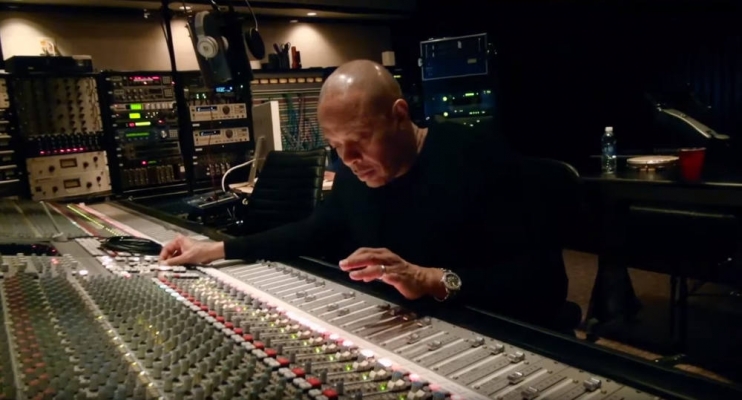
That is why producers such as Dr. Dre have had such a lasting influence on hip-hop. His production is often associated with strong drum arrangements, memorable melodies and carefully balanced mixes. The lesson for an upcoming producer is simple: you do not need the biggest studio to make a strong beat. You need the right sounds, a good workflow and an understanding of how those sounds work together.
Whether you produce in a professional studio or a small home setup, there are practical ways to improve your hip-hop beat production. You can start by choosing better samples, creating space between the kick and bass, controlling your hi-hats, adding saturation carefully and keeping your arrangements simple enough for the vocals to remain the focus.
In this guide, we’ll look at several hip-hop production tips that can help improve your beats and make your mixes cleaner, heavier and more enjoyable to listen to.
🎛️ Hip-Hop Beat Production Tips
- Choose samples and drum sounds carefully.
- Create space between the kick and bass.
- Use EQ to control competing frequencies.
- Build hi-hat patterns with purpose.
- Use saturation to add controlled harmonics.
- Keep the beat simple enough for the vocals.
- Compare your mix on different speakers and headphones.
How to Improve Your Hip-Hop Beat Production
You don’t need expensive equipment to start improving. A capable computer, a digital audio workstation, headphones or monitors and a reliable collection of sounds can take you surprisingly far.
The bigger challenge is learning how to make each element work together. For example, a powerful kick can lose its impact when it competes with a bass or 808 in the same frequency range. Likewise, a busy melody can make it harder for a rapper to sit comfortably inside the beat.
The goal is therefore not to add more sounds. The goal is to make the sounds you already have work better together.
3. Build Better Hi-Hat Patterns
Hi-hats can completely change the energy of a hip-hop beat. A simple pattern can make the drums feel relaxed, while faster rolls and variations can create more movement.
The key is not to fill every space. Instead, use your hi-hats to support the rhythm of the kick and snare.
Try Different Hi-Hat Variations
Start with a simple pattern. Once the groove feels right, add small changes at the end of a bar or before an important drum hit.
You can also experiment with velocity. Making every hi-hat hit exactly the same volume can make the drums sound mechanical. Small velocity changes can create a more natural groove.
Another useful technique is changing the position of occasional hats. Slight variations in timing can add movement, but they should be subtle enough that the main groove remains clear.
4. Use Saturation Carefully on Your 808
A clean 808 can sound powerful on large speakers but disappear on smaller systems. One way to improve its audibility is to introduce controlled harmonics through saturation.
Saturation adds harmonic content to a sound. When used carefully, this can help an 808 remain noticeable on phones, laptops and smaller speakers without simply turning up its volume.
How to Saturate an 808
- Start with a clean 808 sample.
- Set the volume before adding saturation.
- Add a small amount of saturation.
- Compare the processed sound with the original.
- Reduce the effect if the bass becomes harsh or distorted.
The goal is not to make the 808 extremely distorted. The goal is to give it enough harmonic information to remain clear across different playback systems.
5. Keep Your Hip-Hop Beat Simple
More sounds do not automatically create a better beat. In many hip-hop records, simplicity gives the rapper more room to perform.
A beat can contain a strong drum pattern, bassline and melody without needing several additional layers. Too many elements can compete with the vocal and make the production feel crowded.
Leave Space for the Vocal
Before adding another sound, ask yourself whether the beat actually needs it. If the rapper already has a strong flow, the production should support that performance rather than compete with it.
This is especially important for 808-heavy hip-hop. A powerful bassline, clear drums and one memorable melody can sometimes create a stronger record than a session filled with dozens of instruments.
6. Arrange the Beat Around the Song
A good beat should change as the song develops. Even a simple production can feel more professional when different sections have clear purposes.
For example, you can remove the kick during an intro, introduce the 808 when the verse begins, and add extra percussion or a secondary melody for the hook.
Small changes are often enough. You do not need a completely different beat for every section.
A Simple Hip-Hop Arrangement
- Intro: Keep the instrumentation light.
- Verse: Leave enough space for the rapper.
- Hook: Add energy with extra drums or melody.
- Second Verse: Introduce a small variation.
- Outro: Remove elements gradually or return to the main theme.
The most important thing is consistency. Every section should feel like part of the same record.
7. Balance the Mix Before Adding More Effects
A professional-sounding beat does not always need a large number of plugins. In many cases, the biggest improvement comes from getting the basic balance right.
Start with volume levels. Make sure the kick, 808, snare, melody and other instruments can all be heard without fighting each other.
Once the levels feel balanced, move to EQ and compression. Avoid processing a sound simply because a plugin is available. Every effect should solve a problem or add something useful.
Check Your Low End
The kick and 808 should work together without making the mix muddy. Listen for excessive sub-bass and make sure the low frequencies are not overwhelming the rest of the production.
After that, check the middle and high frequencies. Vocals need enough space to remain clear, while melodies and hi-hats should not become harsh.
8. Check Your Beat on Different Speakers
A beat can sound excellent in your headphones and still have problems on other systems. That is why testing your mix on several playback devices is important.
Listen on your studio monitors, headphones, phone speakers and a normal consumer speaker when possible. You are not trying to make every system sound identical. You are checking whether the important parts of the beat remain clear.
9. Use Reference Tracks
A reference track can help you understand how your mix compares with a professionally released song. Choose a track with a similar style, tempo or instrumentation.
Pay attention to the kick, bass, vocals, hi-hats, stereo width and overall volume. Do not copy the reference track. Use it as a guide for identifying areas that may need improvement.
10. Avoid Overproducing Your Beat
One of the easiest mistakes for a developing producer is adding too much. More drums, more melodies and more effects can quickly make a beat difficult to mix.
Before adding another element, ask whether the song actually needs it. If the answer is no, leave the space open.
A strong hip-hop beat often depends on a few elements working together effectively rather than dozens of sounds competing for attention.
Common Hip-Hop Production Mistakes to Avoid
- Making every hi-hat hit the same velocity.
- Allowing the kick and 808 to compete for the same space.
- Using too much saturation or distortion on the bass.
- Adding instruments without considering the vocal.
- Mixing only on headphones.
- Using too many plugins without a clear purpose.
- Making the beat louder instead of making it clearer.
Simple Hip-Hop Production Checklist
Before exporting your beat, listen through it from beginning to end and check the basics:
- Drums: Are the kick and snare clear?
- 808: Does the bass remain powerful without becoming muddy?
- Hi-hats: Do they add rhythm without becoming distracting?
- Melody: Does it support the song?
- Vocals: Is there enough room for the rapper?
- Mix: Does it sound balanced on different playback systems?
You do not need a perfect studio to become a better producer. What matters most is learning how to listen, making deliberate decisions and improving one part of your workflow at a time.
Final Thoughts on Improving Hip-Hop Production
Better production starts with better decisions. Choose sounds that fit the beat, create space between competing elements and avoid adding effects just for the sake of adding them.
Whether you are working in a small bedroom setup or a professional studio, the same principle applies: make the beat serve the song.
Keep experimenting, compare your mixes with strong reference tracks and listen carefully to what each production decision is doing. Over time, those habits can make a much bigger difference than simply buying more equipment.