
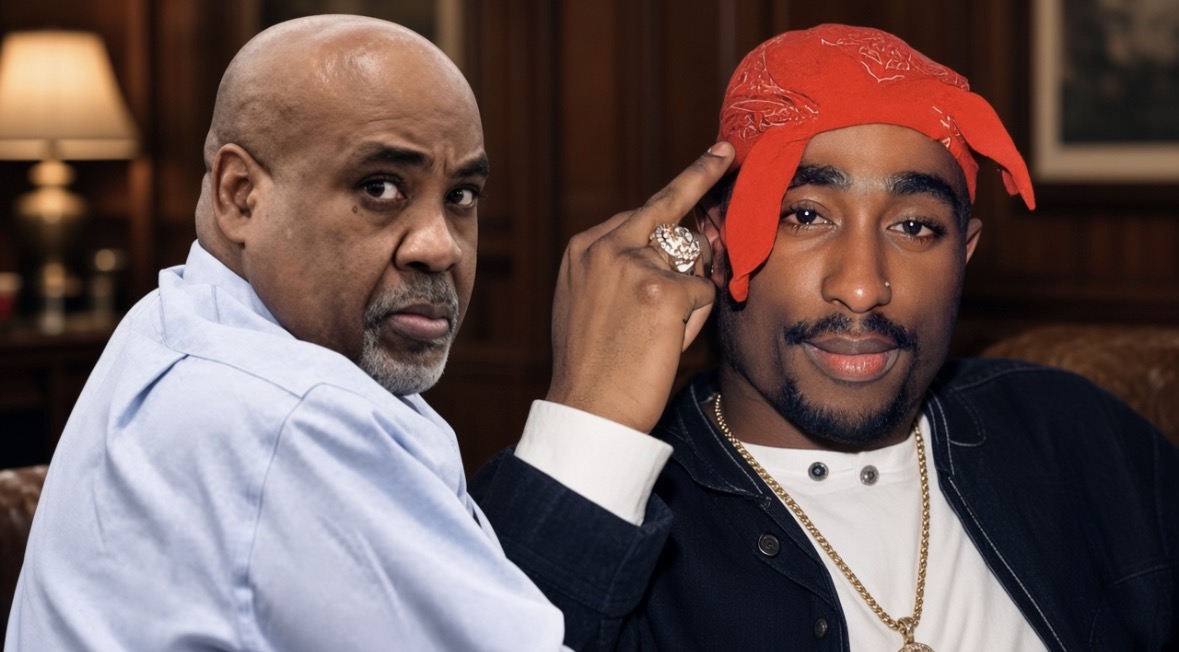
Duane “Keffe D” Davis Found Guilty of Tupac Shakur’s Murder: Latest Updates
Duane “Keffe D” Davis Found Guilty of Tupac Shakur’s Murder: What Happened and Latest Updates
Duane “Keffe D” Davis has been found guilty in the 1996 murder of Tupac Shakur, bringing a major development to one of the most closely followed cases in hip-hop history.
A Las Vegas jury reached the guilty verdict on August 31, 2026, after less than three hours of deliberation. Davis was convicted of first-degree murder with the use of a deadly weapon in connection with the fatal shooting of Tupac Shakur.
The conviction comes nearly 30 years after Tupac was shot in Las Vegas on September 7, 1996. The rapper was riding in a BMW driven by Marion “Suge” Knight when a gunman opened fire. Tupac was struck multiple times and died from his injuries six days later at the age of 25.
Davis, who was 63 at the time of the verdict, became the only person to face a murder charge in connection with Tupac’s death. Prosecutors argued that he helped organize the shooting after an earlier confrontation involving his nephew, Orlando “Baby Lane” Anderson.
Davis did not personally fire the shots, according to the prosecution’s case. Instead, prosecutors argued that he played a leadership role in organizing the attack. The jury ultimately found him guilty under Nevada law.
The case had remained unresolved for almost three decades before Davis was arrested in September 2023. His public statements about the shooting, along with recorded conversations and other evidence presented during the trial, became central to the prosecution’s case.
Now that the jury has returned a guilty verdict, attention turns to Davis’ sentencing and his stated plan to appeal. This article covers the full Tupac Shakur murder case, including what happened in 1996, why Davis was charged, the evidence presented at trial, and what happens next.
Tupac Shakur Murder Case: Quick Facts
- Defendant: Duane “Keffe D” Davis
- Victim: Tupac Shakur
- Shooting: September 7, 1996
- Location: Las Vegas, Nevada
- Date of Death: September 13, 1996
- Verdict: Guilty
- Conviction: First-degree murder with the use of a deadly weapon
- Verdict Date: August 31, 2026
- Jury Deliberation: Less than three hours
- Next Major Step: Sentencing and potential appeal
- Last Updated: September 1, 2026
Quick Navigation
- Who Is Duane “Keffe D” Davis?
- Why Was Keffe D Found Guilty?
- What Happened to Tupac Shakur in 1996?
- Tupac Shakur Murder Case Timeline
- What Was Orlando Anderson’s Connection to the Case?
- Did Keffe D Pull the Trigger?
- What Evidence Was Presented Against Keffe D?
- What Happens to Keffe D After the Guilty Verdict?
- Latest Updates on the Tupac Shakur Murder Case
- Frequently Asked Questions
Editor’s note: This is an evergreen article and will be updated when significant, verified developments occur in the case, including sentencing and any appeal proceedings.
Who Is Duane “Keffe D” Davis?
Duane “Keffe D” Davis is a former South Side Compton Crips gang leader who became the only person charged in connection with the 1996 murder of Tupac Shakur.
Davis, whose full name is Duane Keith Davis, became a central figure in the Tupac Shakur murder investigation years after the rapper’s death. His connection to the case became more widely known because of statements he made about the shooting in interviews, documentaries, and his 2019 memoir, Compton Street Legend.
For years, Davis publicly discussed what he said happened on the night Tupac was shot in Las Vegas. Those statements later became an important part of the prosecution’s case against him.
What Was Keffe D’s Connection to Tupac Shakur?
Prosecutors argued that Davis was involved in organizing the attack that killed Tupac Shakur.
The prosecution’s theory centered on an earlier confrontation at the MGM Grand in Las Vegas. Tupac and members of his entourage had confronted Orlando “Baby Lane” Anderson, Davis’ nephew, after a boxing match involving Mike Tyson.
According to prosecutors, the shooting that followed was carried out as retaliation for that confrontation. They alleged that Davis helped organize the attack and provided the gun used by the men in the vehicle from which the shots were fired.
Importantly, Davis was not accused of personally pulling the trigger. Prosecutors argued that his role in organizing and facilitating the attack was enough to make him criminally responsible for the murder under Nevada law.
Why Did Keffe D Become a Suspect in the Tupac Case?
Davis’ own public statements helped bring renewed attention to his connection to the case.
Over the years, he spoke about the shooting in several interviews and other recorded conversations. He also discussed the events surrounding Tupac’s death in his 2019 memoir.
Those statements became significant when investigators revisited the case. Prosecutors later used several of Davis’ past statements as evidence during his murder trial.
The defense, however, argued that Davis had exaggerated or fabricated parts of his story for money, attention, and notoriety. That disagreement became one of the central issues at trial.
When Was Keffe D Arrested?
Authorities arrested Davis in Las Vegas in September 2023, nearly 27 years after Tupac Shakur was killed.
His arrest marked a major turning point in the investigation. Davis was the first and only person to face a murder charge in connection with Tupac’s death.
Davis pleaded not guilty and maintained his innocence throughout the case. His trial eventually began in 2026, nearly three decades after the shooting.
What Happened to Keffe D in Court?
After an 11-day trial, a Las Vegas jury found Davis guilty of first-degree murder on August 31, 2026. Jurors reached the verdict in less than three hours.
The conviction came after prosecutors presented evidence that included Davis’ previous statements and testimony from witnesses connected to the investigation. The defense challenged the reliability of those statements and argued that there was not enough physical evidence linking Davis directly to the shooting.
Davis now faces the possibility of life in prison. His sentencing is scheduled for October 13, 2026, and he has indicated that he plans to appeal the conviction.
Key point: Duane “Keffe D” Davis was convicted for his role in orchestrating the attack that killed Tupac Shakur. Prosecutors did not allege that Davis personally fired the fatal shots.
With Davis’ background established, the next part looks closely at why the jury found him guilty and the evidence prosecutors presented during the Tupac Shakur murder trial.
Why Was Keffe D Found Guilty in Tupac Shakur’s Murder Case?
Duane “Keffe D” Davis was found guilty because prosecutors convinced the jury that he played a direct role in organizing the attack that killed Tupac Shakur.
The prosecution did not claim that Davis personally fired the gun. Instead, prosecutors argued that he helped plan the shooting and provided the weapon used in the attack.
That distinction is important when understanding the verdict. The case focused on Davis’ alleged role in the events leading to Tupac’s death, rather than an allegation that he was the person who pulled the trigger.
What Was the Prosecution’s Case Against Keffe D?
Prosecutors presented Davis as the person who helped organize the shooting after a confrontation involving his nephew, Orlando “Baby Lane” Anderson.
The confrontation happened at the MGM Grand in Las Vegas on September 7, 1996, shortly before Tupac was shot. Tupac and members of his entourage were involved in an altercation with Anderson inside the hotel.
According to the prosecution’s theory, the confrontation created a motive for retaliation.
Prosecutors argued that Davis later joined other men in a Cadillac and helped arrange the attack on the BMW carrying Tupac and Marion “Suge” Knight.
The prosecution also argued that Davis supplied the gun used in the shooting. The vehicle then approached Tupac’s car, and gunfire was directed at the rapper and Knight.
How Did Keffe D’s Own Statements Affect the Case?
One of the most important parts of the prosecution’s case involved statements Davis had made about Tupac’s murder over the years.
Davis had publicly discussed the shooting in interviews and other recordings. He also described events surrounding Tupac’s death in his memoir, Compton Street Legend.
Prosecutors used those statements to argue that Davis had knowledge of the shooting because of his involvement in the events surrounding it.
The defense took a different position. Davis’ lawyers argued that his public stories were not reliable and that he had exaggerated parts of his account to gain attention and make money.
What Evidence Was Presented Against Keffe D?
The prosecution’s evidence included Davis’ previous statements about the shooting, recorded material, testimony, and evidence concerning his relationship with the people connected to the attack.
Prosecutors used Davis’ own descriptions of the night to connect him to the planning of the shooting. They also presented evidence intended to establish the sequence of events before and after Tupac was killed.
The defense challenged the prosecution’s interpretation of that evidence. Davis’ attorneys argued that much of the case relied on statements that had changed over time.
The jury ultimately accepted the prosecution’s case and returned a guilty verdict.
What Did Keffe D’s Defense Argue?
Davis pleaded not guilty and maintained that he should not be held responsible for Tupac Shakur’s murder.
His defense questioned the reliability of his past statements. Lawyers argued that Davis had reasons to make himself appear more important when discussing the shooting years after it happened.
The defense also challenged the lack of physical evidence directly tying Davis to the shooting itself.
Despite those arguments, the jury found Davis guilty of first-degree murder with the use of a deadly weapon.
Why Is the Guilty Verdict Significant?
The verdict is significant because it represents the first conviction in the criminal case surrounding Tupac Shakur’s death.
Tupac was one of the most influential rappers of the 1990s. His death at 25 years old became one of the most enduring mysteries in hip-hop.
For almost three decades, the case remained without a murder conviction. Davis’ guilty verdict therefore represents a major turning point in the legal history surrounding Tupac’s death.
Important: A guilty verdict establishes Davis’ criminal responsibility under the jury’s decision. It should not be confused with the claim that Davis personally fired the shots. Prosecutors’ case was that he helped organize and facilitate the attack.
The next section goes back to the night of the shooting and explains exactly what happened to Tupac Shakur in Las Vegas in September 1996.
What Happened to Tupac Shakur in 1996?
Tupac Shakur was shot in a drive-by attack in Las Vegas on September 7, 1996, after attending a Mike Tyson boxing match at the MGM Grand.
The shooting happened just as Tupac was reaching another major point in his career. He had recently released All Eyez on Me and was one of the biggest artists in hip-hop.
However, the events of that night would ultimately lead to his death and become one of the most closely followed murder cases in music history.
Tupac Attended the Mike Tyson Fight
On September 7, 1996, Tupac attended a highly anticipated boxing match between Mike Tyson and Bruce Seldon at the MGM Grand Garden Arena in Las Vegas.
Tupac was part of a large group that included members of his Death Row Records circle. Marion “Suge” Knight, the co-founder of Death Row Records, was also with him that night.
After Tyson won the fight, Tupac and his entourage left the arena and entered the MGM Grand.
The MGM Grand Confrontation
Inside the MGM Grand, Tupac and several people from his entourage encountered Orlando “Baby Lane” Anderson.
Anderson was a member of the South Side Compton Crips and was Davis’ nephew. A confrontation followed between Anderson and members of Tupac’s group.
The altercation became an important part of the later investigation because prosecutors argued that it provided the motive for the shooting that happened later that night.
The Las Vegas Drive-By Shooting
Later that night, Tupac was traveling through Las Vegas in a BMW driven by Marion “Suge” Knight.
At approximately 11 p.m., a white Cadillac pulled alongside the BMW. Several shots were fired into the vehicle.
Tupac was struck multiple times. Knight was also injured in the attack.
The gunmen then fled the scene before police arrived.
Tupac Was Taken to the Hospital
Emergency responders transported Tupac to University Medical Center of Southern Nevada after the shooting.
Doctors treated him for his injuries, but his condition remained critical.
For several days, fans and members of the hip-hop community waited for updates about his condition.
When Did Tupac Shakur Die?
Tupac Shakur died on September 13, 1996, six days after he was shot.
He was 25 years old.
His death shocked the music industry and millions of fans around the world. Tupac had already established himself as a major rapper, actor, songwriter, and cultural figure.
His death also intensified the fear surrounding violence in hip-hop during the 1990s.
Why Did Tupac’s Murder Case Remain Unsolved for So Long?
For many years, no one was charged with Tupac’s murder.
The lack of a prosecution allowed numerous theories about the shooting to circulate. Some theories focused on gang rivalries, while others connected the case to the broader tensions surrounding the East Coast-West Coast hip-hop rivalry.
Investigators continued to examine the case, but a murder charge did not come until decades later.
That changed in 2023 when authorities arrested Duane “Keffe D” Davis in connection with the killing.
Key dates: Tupac Shakur was shot on September 7, 1996, and died six days later on September 13. The nearly three-decade gap between his death and Davis’ arrest became a defining part of the case.
The next section puts the major events into a simple timeline, from the 1996 shooting to Davis’ 2026 guilty verdict.
Tupac Shakur Murder Case Timeline: From 1996 to 2026
The Tupac Shakur murder investigation spans nearly three decades, from the fatal shooting in Las Vegas in 1996 to the conviction of Duane “Keffe D” Davis in 2026.
Here is a straightforward timeline of the major events that shaped the case.
September 7, 1996 — Tupac Is Shot in Las Vegas
Tupac Shakur attends the Mike Tyson vs. Bruce Seldon boxing match at the MGM Grand in Las Vegas.
After the fight, Tupac and members of his entourage become involved in a confrontation with Orlando “Baby Lane” Anderson inside the MGM Grand.
Later that night, Tupac is riding in a BMW driven by Marion “Suge” Knight when a white Cadillac pulls alongside the vehicle and gunfire erupts.
Tupac is struck by multiple bullets. Knight also suffers injuries.
September 13, 1996 — Tupac Shakur Dies
After spending several days in the hospital, Tupac Shakur dies from his injuries.
He is 25 years old.
His death becomes one of the most significant tragedies in hip-hop history, while the investigation into his killing remains unresolved.
1996–2022 — The Case Remains Unsolved
For more than two decades, Tupac’s murder remains without a criminal conviction.
The case generates numerous theories and continues to receive attention from fans, journalists, investigators, and the wider hip-hop community.
During this period, Davis publicly discusses his alleged knowledge of the shooting on several occasions.
2019 — Davis Publishes His Memoir
Davis releases Compton Street Legend, a memoir that includes his account of his life and his connection to the events surrounding Tupac’s death.
His public comments about the shooting later become relevant to the investigation and prosecution.
July 2023 — Investigators Search a Las Vegas Home
Las Vegas police conduct a search connected to the investigation into Tupac Shakur’s murder.
The search represents a major sign that authorities are actively revisiting the decades-old case.
September 2023 — Keffe D Is Arrested
Authorities arrest Duane “Keffe D” Davis and charge him with murder with a deadly weapon in connection with Tupac Shakur’s death.
Davis becomes the first person to face a criminal charge in connection with the killing.
He pleads not guilty.
2024–2025 — Legal Proceedings Continue
Davis remains involved in pretrial proceedings as prosecutors and defense lawyers prepare for the murder trial.
The defense challenges aspects of the prosecution’s evidence, while prosecutors continue to build their case around Davis’ alleged role in organizing the shooting.
2026 — Tupac Murder Trial Begins
The long-awaited trial of Duane “Keffe D” Davis takes place in Las Vegas.
Prosecutors present evidence about Davis’ alleged involvement in the shooting, including statements he made about the events surrounding Tupac’s death.
The defense challenges the reliability of those statements and argues that Davis should not be held responsible for the murder.
August 31, 2026 — Keffe D Is Found Guilty
A Las Vegas jury finds Duane “Keffe D” Davis guilty of first-degree murder with the use of a deadly weapon in connection with Tupac Shakur’s killing.
The jury reaches its decision after less than three hours of deliberation.
The verdict becomes the first criminal conviction in the Tupac Shakur murder case.
October 13, 2026 — Sentencing Is Scheduled
Davis is scheduled to return to court for sentencing.
He faces the possibility of a lengthy prison sentence. Davis has also indicated that he intends to appeal the conviction.
Timeline takeaway: Tupac Shakur was killed in September 1996, but the case did not produce an arrest until 2023. The investigation eventually led to Davis’ trial and guilty verdict in 2026.
This timeline will be updated when significant new developments occur, including Davis’ sentencing and any confirmed appeal proceedings.
What Was Orlando Anderson’s Connection to the Tupac Shakur Murder Case?
Orlando “Baby Lane” Anderson was a key figure in the events surrounding Tupac Shakur’s death, but he was never charged with killing the rapper.
Anderson’s name became closely connected to the case because of a confrontation involving Tupac and members of his entourage shortly before the fatal shooting.
Who Was Orlando “Baby Lane” Anderson?
Orlando Anderson was a member of the South Side Compton Crips and the nephew of Duane “Keffe D” Davis.
Anderson had been identified by investigators and others as an important figure in the events leading up to the shooting. However, it is important to separate allegations and investigative theories from facts established in court.
What Happened Between Tupac and Orlando Anderson?
On September 7, 1996, Tupac and members of his entourage encountered Anderson at the MGM Grand in Las Vegas.
A physical confrontation followed. The incident happened only hours before Tupac was shot.
The confrontation later became an important part of the prosecution’s theory in the case against Davis.
Prosecutors argued that the altercation provided a motive for retaliation. They alleged that Davis and others decided to respond to the confrontation later that night.
Was Orlando Anderson Accused of Shooting Tupac?
Anderson was widely suspected of having a connection to the shooting over the years. However, he was never prosecuted for Tupac Shakur’s murder.
Anderson consistently denied involvement in Tupac’s killing.
He was never convicted in connection with the rapper’s death and died in Compton, California, in 1998, less than two years after Tupac’s murder.
How Was Orlando Anderson Connected to Keffe D?
Anderson was the nephew of Duane “Keffe D” Davis.
That family connection became significant during the investigation because prosecutors argued that Davis became involved after the confrontation between Anderson and Tupac’s group.
The prosecution’s case focused on Davis’ alleged role in organizing the attack rather than claiming that he personally fired the shots.
Why Is Orlando Anderson Still Discussed in the Tupac Case?
Anderson remains an important name in discussions about Tupac Shakur’s murder because of the events at the MGM Grand and his connection to Davis.
However, the 2026 conviction of Davis does not mean that every historical theory about Anderson has been proven true.
The guilty verdict specifically concerns Davis and his criminal responsibility for the murder under Nevada law.
Important distinction: Orlando Anderson was never convicted or charged with Tupac Shakur’s murder. His name became associated with the case because of the MGM Grand confrontation and his connection to Davis.
Understanding Anderson’s role also helps explain one of the most common questions surrounding the case: Did Keffe D actually pull the trigger when Tupac was shot?
Did Keffe D Pull the Trigger in Tupac Shakur’s Murder?
No. Prosecutors did not accuse Duane “Keffe D” Davis of personally pulling the trigger in the shooting that killed Tupac Shakur.
Instead, the prosecution argued that Davis played a leading role in organizing the attack. That distinction is important because the guilty verdict was based on his alleged participation in the murder rather than an allegation that he was the gunman.
What Did Prosecutors Say Keffe D Did?
Prosecutors presented Davis as a person who helped plan the retaliation after the confrontation involving his nephew, Orlando “Baby Lane” Anderson, at the MGM Grand.
According to the prosecution’s case, Davis was in the white Cadillac involved in the shooting. Prosecutors also argued that he obtained or supplied the firearm used during the attack.
The Cadillac later pulled alongside the BMW carrying Tupac and Marion “Suge” Knight. Someone inside the Cadillac opened fire, striking Tupac several times.
Who Was Alleged to Be the Shooter?
The identity of the person who physically fired the shots has been a major part of speculation surrounding the case for decades.
However, Davis’ conviction should not be interpreted as a finding that he personally fired the gun.
The prosecution’s case was that Davis could be held criminally responsible because of his alleged role in planning and facilitating the attack.
Why Could Davis Be Convicted If He Was Not the Shooter?
Criminal responsibility can extend beyond the person who physically commits an act when prosecutors prove that another person knowingly participated in a criminal plan or otherwise aided the offense.
In Davis’ case, prosecutors argued that his actions before the shooting made him responsible for the resulting murder.
The jury ultimately agreed with the prosecution and found Davis guilty of first-degree murder with the use of a deadly weapon.
What Did Davis Say About the Shooting?
Davis has discussed Tupac’s murder publicly for years. His statements became increasingly important as investigators revisited the case.
He described his version of events in interviews and in his memoir, Compton Street Legend. Prosecutors later used some of those statements as evidence during the trial.
Davis’ defense argued that his past accounts were unreliable and that he had exaggerated parts of his story for attention and financial gain.
The jury nevertheless found the prosecution’s case sufficient to convict him.
Bottom line: Duane “Keffe D” Davis was convicted for his role in the attack that killed Tupac Shakur. The prosecution did not claim that Davis personally fired the fatal shots.
The next section looks more closely at the evidence prosecutors presented against Davis and why his own past statements became so important during the trial.
What Evidence Was Presented Against Keffe D?
The prosecution’s case against Duane “Keffe D” Davis centered heavily on statements he had made about Tupac Shakur’s murder, along with testimony and other evidence presented during the trial.
Because the shooting happened nearly 30 years before the trial, the case did not rely on a single piece of evidence. Instead, prosecutors presented a broader account of Davis’ alleged involvement in the events surrounding the killing.
Statements Davis Made About Tupac’s Murder
One of the most important parts of the case was Davis’ history of speaking publicly about Tupac’s death.
Over the years, Davis gave interviews and made recorded statements in which he discussed what he said happened on the night Tupac was shot.
He also described his account of the events in his memoir, Compton Street Legend.
Prosecutors argued that Davis’ statements provided insight into his knowledge of the shooting and his alleged involvement in organizing the attack.
Recorded Conversations and Interviews
Investigators also examined recordings and other statements connected to Davis.
The prosecution used these materials to establish a pattern in Davis’ accounts of the shooting. Prosecutors argued that his own words helped connect him to the planning of the attack.
The defense disputed that interpretation.
Davis’ lawyers argued that his stories had changed over time and that he had reasons to exaggerate his involvement. They suggested that Davis had used the Tupac story to increase his public profile and make money.
Evidence About the Night of the Shooting
The prosecution also presented evidence about what happened before, during, and after the shooting.
A key part of that evidence involved the confrontation between Tupac’s group and Orlando “Baby Lane” Anderson at the MGM Grand earlier that evening.
Prosecutors argued that the confrontation provided the motive for the later attack.
They then connected that incident to Davis and the group that traveled in the Cadillac involved in the shooting.
Why Was the Lack of Physical Evidence Important?
The age of the case created a significant challenge for both sides.
Nearly three decades had passed between Tupac’s death and Davis’ arrest. That meant investigators were dealing with an old crime scene, deceased or unavailable witnesses, and evidence that had been examined many years earlier.
The defense highlighted the lack of physical evidence directly connecting Davis to the shooting.
However, prosecutors argued that the available evidence, including Davis’ statements and testimony presented at trial, established his involvement beyond a reasonable doubt.
What Did the Defense Say About the Evidence?
Davis’ defense challenged the credibility and reliability of the prosecution’s evidence.
His lawyers argued that Davis had made some of his past statements for financial benefit and publicity. They also questioned whether statements made years after the shooting could reliably establish what happened in 1996.
The defense maintained that there was not enough evidence to prove Davis was criminally responsible for Tupac’s murder.
The jury rejected that argument.
What Did the Jury Decide?
After hearing the evidence and arguments from both sides, the jury found Davis guilty of first-degree murder with the use of a deadly weapon.
The jury reached its verdict after less than three hours of deliberation on August 31, 2026.
The conviction means the jury found the prosecution had proved Davis’ criminal responsibility for Tupac Shakur’s murder beyond a reasonable doubt.
Important: Davis’ past statements were a major part of the prosecution’s case, but they were not presented in isolation. The jury considered the evidence and arguments from both the prosecution and defense before reaching its verdict.
With the evidence and verdict explained, the next section looks at what happens to Duane “Keffe D” Davis after his conviction, including his upcoming sentencing and possible appeal.
What Happens to Keffe D After the Guilty Verdict?
Duane “Keffe D” Davis will remain in custody while he waits for sentencing after being found guilty in the Tupac Shakur murder case.
The guilty verdict does not end the legal process. Davis must still be formally sentenced by the court, and he has indicated that he plans to challenge the conviction.
When Will Keffe D Be Sentenced?
Davis is scheduled to return to court for sentencing on October 13, 2026.
The sentencing hearing will determine the punishment Davis receives following his first-degree murder conviction with the use of a deadly weapon.
The sentence will depend on the applicable Nevada law and the circumstances considered by the court.
How Long Could Keffe D Spend in Prison?
Davis faces the possibility of a lengthy prison sentence because of the murder conviction.
The exact sentence will not be known until the court conducts the sentencing hearing and issues its decision.
For that reason, this article will be updated once the court announces Davis’ official sentence.
Will Keffe D Appeal the Conviction?
Yes. Davis has indicated that he intends to appeal his conviction.
An appeal is different from a new criminal trial. The appeals process generally focuses on whether legal errors affected the original proceedings or whether the conviction should be reviewed for other recognized grounds.
Davis’ legal team can present its arguments through the appropriate appellate process after the trial court enters the relevant judgment and sentence.
What Could Happen During an Appeal?
If Davis files an appeal, the case could continue through the Nevada appellate courts.
The appeal could challenge issues related to the trial, evidence, jury proceedings, legal rulings, or other matters recognized under appellate law.
However, filing an appeal does not automatically mean that a conviction will be overturned.
The outcome will depend on the legal arguments presented and the decisions made by the reviewing court.
Does the Guilty Verdict Close the Tupac Murder Case?
The verdict represents a major legal milestone, but it does not necessarily mean every question surrounding Tupac Shakur’s murder has been answered.
Davis was convicted based on his role in the killing. The verdict does not establish every theory that has circulated about the shooting over the past three decades.
It is also important to distinguish between facts established during the criminal proceedings and speculation that has surrounded the case for years.
What happens next: Davis is scheduled for sentencing on October 13, 2026. He has also indicated that he plans to appeal the conviction. Any confirmed developments will be added to this page as they happen.
The next section looks at why Tupac Shakur’s murder became one of hip-hop’s biggest unsolved cases and how the 2026 conviction changes the story surrounding his death.
How the Verdict Affects Tupac Shakur’s Legacy
Duane “Keffe D” Davis’ conviction adds a major new chapter to the story of Tupac Shakur, whose death has remained one of hip-hop’s most enduring mysteries.
Tupac was only 25 when he died in 1996. Despite his short life, he became one of the most influential figures in rap music and popular culture.
His music addressed subjects such as poverty, violence, racism, relationships, family, ambition, and life in America. His ability to combine personal experiences with wider social issues helped make him a defining artist of his generation.
Why Tupac’s Death Became Such a Major Hip-Hop Mystery
Tupac’s murder happened during a particularly tense period in hip-hop.
At the time, the rap industry was experiencing intense competition between artists and record labels associated with the East Coast and West Coast scenes. Tupac was one of the biggest names on the West Coast, while his public feud with The Notorious B.I.G. became part of the wider culture surrounding the era.
Because Tupac was killed before the investigation produced a conviction, questions about who was responsible continued for decades.
That uncertainty created countless theories about the shooting. Some focused on gang conflicts, while others connected the murder to tensions within the hip-hop industry.
However, many of those theories remained unproven.
What Does the 2026 Conviction Change?
The conviction gives the Tupac Shakur murder case a significant legal outcome that it did not have for nearly 30 years.
A jury has now found Davis criminally responsible for Tupac’s murder. That makes the 2026 verdict an important moment in the history of the case.
At the same time, the conviction does not automatically confirm every theory that has circulated about Tupac’s death.
The legal finding concerns Davis’ responsibility for the murder based on the evidence presented during his trial.
Tupac’s Music Continues to Influence Hip-Hop
Although Tupac’s life ended in 1996, his influence on hip-hop has continued for decades.
Albums such as Me Against the World and All Eyez on Me remain important parts of rap history. His songs continue to introduce new generations of listeners to his work.
His acting career also contributed to his lasting cultural impact. Tupac successfully moved between music and film while maintaining a strong connection with his audience.
Why the Case Still Matters to Hip-Hop Fans
The Tupac Shakur murder case is about more than a single criminal investigation.
It is also connected to an important period in hip-hop history. Tupac’s death, followed by the 1997 murder of The Notorious B.I.G., changed the culture and left a lasting impact on the music industry.
For fans who have followed the case for decades, Davis’ conviction represents an answer to an important legal question that remained unresolved for years.
Legacy note: Tupac Shakur’s influence extends far beyond the circumstances of his death. His music, films, lyrics, and cultural impact continue to shape conversations about hip-hop decades after his passing.
The next section focuses on another important search question: how long Tupac Shakur’s murder remained unsolved and why the investigation took so many years to reach a criminal prosecution.
Why Did Tupac Shakur’s Murder Case Remain Unsolved for So Long?
Tupac Shakur’s murder remained without a criminal conviction for nearly three decades, making it one of the longest-running high-profile murder cases in hip-hop history.
Tupac was killed in Las Vegas in September 1996. For years afterward, investigators did not charge anyone with his murder.
The case continued to attract attention, but the investigation faced major challenges. Those challenges became even more significant as the years passed.
Why Was Nobody Charged for Tupac’s Murder?
One of the biggest issues was the difficulty of building a criminal case strong enough to support a prosecution.
The shooting happened quickly, and the attackers fled the scene. Investigators had to rely on witnesses, statements, and other evidence to determine who was responsible.
As time passed, memories became less reliable and some people connected to the investigation became unavailable.
That made the task of establishing a case beyond a reasonable doubt more difficult.
The Case Was Surrounded by Speculation
Tupac’s enormous popularity also made the investigation a subject of constant public attention.
His death generated theories involving gang conflicts, personal rivalries, the music industry, and the East Coast-West Coast tensions of the 1990s.
Some theories received significant attention despite never being established in court.
Separating documented evidence from speculation became one of the biggest challenges surrounding the case.
Why Did the Investigation Gain New Attention?
Interest in the case increased significantly when investigators began focusing more closely on Davis and his previous statements about the shooting.
Davis had discussed the events surrounding Tupac’s death publicly for years. His memoir and interviews provided investigators with additional material to examine.
In July 2023, Las Vegas police searched a home connected to the investigation. Two months later, authorities arrested Davis and charged him with murder.
Why Was Davis Arrested Nearly 27 Years After Tupac’s Death?
The long gap between the shooting and Davis’ arrest became one of the defining features of the case.
By the time authorities arrested Davis in September 2023, Tupac had been dead for almost 27 years.
Prosecutors argued that the evidence developed over the years was sufficient to bring the case forward. Davis’ defense, meanwhile, challenged the reliability of evidence that had emerged or been revisited decades after the shooting.
How Long Was Tupac’s Murder Case Unsolved?
Tupac Shakur’s murder remained without a criminal conviction for almost 30 years.
The period began with his shooting on September 7, 1996, and reached a major turning point when Davis was convicted on August 31, 2026.
The guilty verdict therefore represents a historic moment in the investigation.
Key takeaway: The Tupac Shakur murder investigation remained unresolved for decades because authorities did not bring a successful criminal prosecution during the years following the shooting. The case changed significantly after investigators revisited Davis’ connection to the killing.
The next section brings the story up to the present day with a dedicated latest updates section that can be refreshed whenever new developments occur in Davis’ case.
Latest Updates on the Tupac Shakur Murder Case
The Tupac Shakur murder case reached a major turning point in August 2026 when a Las Vegas jury found Duane “Keffe D” Davis guilty.
Because Davis’ case is still moving through the court system, this section will serve as the ongoing update area for this evergreen article.
August 31, 2026 — Keffe D Found Guilty
A Las Vegas jury found Duane “Keffe D” Davis guilty of first-degree murder with the use of a deadly weapon in connection with Tupac Shakur’s 1996 killing.
The jury reached its verdict after less than three hours of deliberation.
The conviction marks the first criminal conviction in the case surrounding Tupac’s death.
September 1, 2026 — Attention Turns to Sentencing
Following the guilty verdict, the next major stage of the case is Davis’ sentencing.
Davis is scheduled to return to court on October 13, 2026. The court will determine his sentence based on the conviction and applicable Nevada law.
Davis has also indicated that he intends to appeal the verdict.
What Happens Next in the Tupac Case?
The case is not necessarily finished with the guilty verdict.
The immediate focus is Davis’ sentencing. After that, any appeal will become an important part of the legal process if Davis and his attorneys formally pursue one.
Future developments could include court filings, sentencing decisions, appellate proceedings, or other significant updates connected to the conviction.
We will update this section when reliable information becomes available.
Last updated: September 1, 2026
Current case status: Duane “Keffe D” Davis has been found guilty. Sentencing is scheduled for October 13, 2026, and Davis has indicated that he plans to appeal.
Frequently Asked Questions About Keffe D and Tupac Shakur
The guilty verdict against Duane “Keffe D” Davis has renewed interest in Tupac Shakur’s murder, the 1996 shooting, and the investigation that followed.
Here are answers to some of the most common questions about the case.
Was Keffe D found guilty of Tupac Shakur’s murder?
Yes. A Las Vegas jury found Duane “Keffe D” Davis guilty of first-degree murder with the use of a deadly weapon in connection with Tupac Shakur’s killing.
When was Keffe D found guilty?
Davis was found guilty on August 31, 2026. The jury reached its verdict after less than three hours of deliberation.
Did Keffe D shoot Tupac?
No. Prosecutors did not allege that Davis personally fired the shots. Their case focused on his alleged role in organizing and facilitating the attack that killed Tupac.
When was Tupac Shakur shot?
Tupac Shakur was shot on September 7, 1996, in Las Vegas, Nevada, after attending the Mike Tyson vs. Bruce Seldon boxing match at the MGM Grand.
When did Tupac Shakur die?
Tupac Shakur died on September 13, 1996, six days after he was shot. He was 25 years old.
Who was Orlando Anderson?
Orlando “Baby Lane” Anderson was a member of the South Side Compton Crips and the nephew of Duane “Keffe D” Davis. He became an important figure in the case because of a confrontation with Tupac and members of his entourage at the MGM Grand on the night of the shooting.
Was Orlando Anderson ever charged with Tupac’s murder?
No. Anderson was never charged or convicted in connection with Tupac Shakur’s murder. He denied involvement in the killing and died in 1998.
When was Keffe D arrested?
Authorities arrested Duane “Keffe D” Davis in September 2023, nearly 27 years after Tupac Shakur was killed.
Why was Keffe D arrested so many years after Tupac’s death?
Davis’ arrest followed renewed investigation into the case and increased attention on statements he had made over the years about Tupac’s shooting. Investigators had also conducted a search connected to the case in Las Vegas in 2023.
What evidence was used against Keffe D?
The prosecution presented Davis’ previous statements, recordings, testimony, and other evidence concerning the events surrounding Tupac’s murder. The defense challenged the reliability of some of that evidence.
What happens to Keffe D after the guilty verdict?
Davis remains subject to the court process following his conviction. His sentencing is scheduled for October 13, 2026. He has also indicated that he intends to appeal the conviction.
Is the Tupac Shakur murder case closed?
The guilty verdict is a major legal development, but Davis’ case can continue through sentencing and potentially an appeal. The conviction also does not mean that every theory surrounding Tupac’s death has been established as fact.
How long was Tupac Shakur’s murder unsolved?
Tupac Shakur’s murder went without a criminal conviction for nearly 30 years. The case reached a major turning point with Davis’ arrest in 2023 and his guilty verdict in 2026.
Why the Tupac Shakur Murder Case Still Matters
The conviction of Duane “Keffe D” Davis marks a historic moment in the long-running investigation into Tupac Shakur’s death.
For nearly three decades, Tupac’s murder remained one of the biggest unanswered questions in hip-hop. His death at just 25 years old left a lasting impact on rap music and popular culture.
The 2026 guilty verdict provides a major legal development in a case that has attracted worldwide attention since 1996. However, the story is not necessarily over. Davis still faces sentencing, and his planned appeal could lead to further court proceedings.
For that reason, this page will remain a living resource for the Tupac Shakur murder case. We will continue updating it when significant developments are confirmed through reliable sources.
Related Hip-Hop Stories
Continue reading:
Article Information
- Topic: Tupac Shakur Murder Case
- Defendant: Duane “Keffe D” Davis
- Current Status: Guilty verdict
- Verdict Date: August 31, 2026
- Next Scheduled Event: Sentencing on October 13, 2026
- Last Updated: September 1, 2026
We will update this article as new, verified information becomes available. Readers should distinguish confirmed court findings from theories and claims that have not been established through the legal proceedings.